Sapa Local Guides · Vietnam · August 2026
What to Pack for Sapa — Season-by-Season Trekking & Homestay Checklist
Introduction
What should you pack for Sapa? The wrong bag makes a beautiful trek miserable — cotton socks soaked on Lao Chai mud, a single light jacket on a February homestay night, or city sandals on Giang Ta Chai stone steps. The right bag is lighter than you think: layers, dry feet, and rain readiness cover most of the year.
Sapa sits near 1,500 metres on the rim of the Hoang Lien Mountains, looking down into Muong Hoa Valley toward Fansipan. Weather changes by elevation, hour, and season more than town forecasts suggest. This guide is practical packing advice — not a gear sales page. No brand endorsements; no affiliate links.
Connect packing with timing (Best Time to Visit Sapa), trip length (How Many Days Do You Need in Sapa), budget (Sapa Budget & Daily Travel Costs), homestay reality (Homestay in Sapa — What to Expect), transport (How to Get from Hanoi to Sapa), and trail judgment (Sapa Trekking Safety). Wider context: The Complete Sapa Travel Guide.
Weather and Why Packing Matters
Sapa's climate is cool-temperate by Vietnamese standards — not tropical beach weather. Even summer days feel mild compared with Hanoi; evenings cool fast after sunset. Valley walks descend into different microclimates than town viewpoints.
Why forecasts mislead: Apps report Sapa Town. Your trek passes through mist belts, exposed ridges, and shaded forest — Black Hmong terraces above Lao Chai may be clear while cloud sits on Fansipan. Rain in wet season (roughly May–August) arrives in bursts; trails become slick within minutes.
Elevation effect: Short walks still involve hundreds of metres of gain and loss. Sweat on the climb, chill on the pause — layering beats one heavy coat.
Homestay nights: Village homes have limited heating. You feel cold sitting on wooden platforms after fire dies down — pack for sleeping cold, not just walking warm.
Overpacking cost: Everything rides on your back or in a small daypack on village paths. Luxury hotel amenities do not exist mid-valley.
Pack for movement, moisture, and temperature swing — the three variables that define Sapa comfort.
Clothing by Season
March through May (spring)
Dryer window for many years; terraces green or flooded with planting water. Days mild (18–24°C feel); nights cool (12–16°C).
- •Light trekking pants or long shorts you are comfortable hiking in
- •Two moisture-wicking tops plus one warm fleece or light down layer
- •Packable rain jacket — spring showers still happen
- •Sun hat and light gloves for early-morning starts
June through August (wet season)
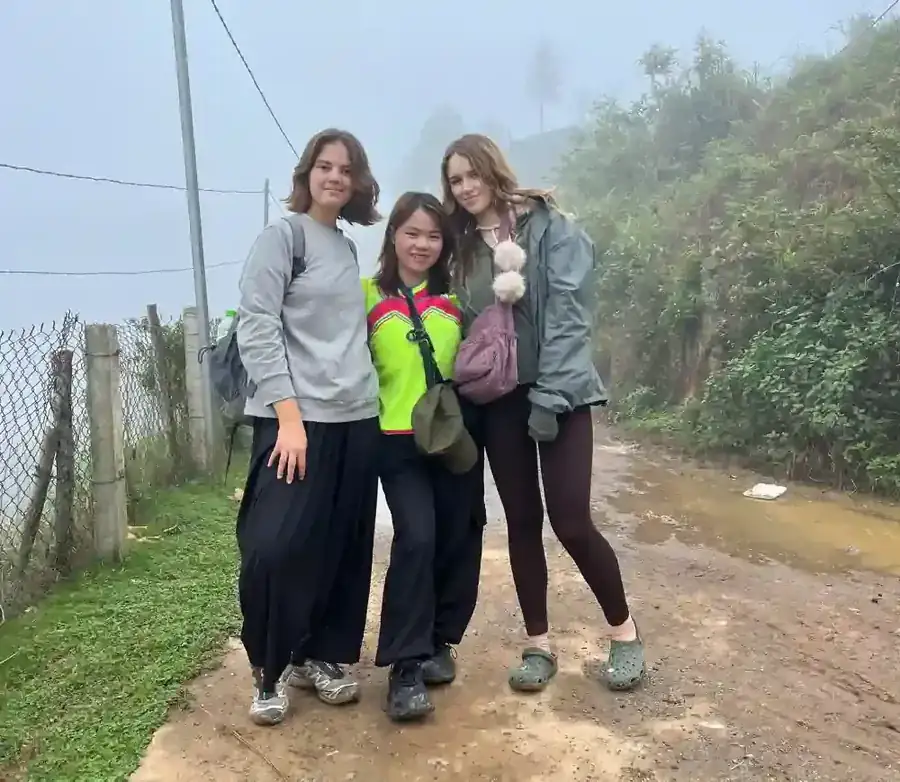
Heaviest rain; lush landscapes; slick trails through Ta Van and toward Giang Ta Chai. Warm when moving, damp constantly.
- •Quick-dry fabrics only — avoid cotton shirts and jeans
- •Reliable rain jacket plus small pack cover or dry bag for electronics
- •Lightweight long pants protect legs from mud and leeches in forest sections
- •Extra shirt in daypack — you may want a dry layer at lunch
- •Sandals with grip for homestay bathroom; not for trekking
September through November (autumn / harvest)
Popular trekking season; golden terraces September–October. Clearer skies possible; cooler evenings return.
- •Base layers plus mid-layer fleece
- •Wind-resistant outer shell for exposed viewpoints
- •Beanie or buff for early starts — mist mornings are cold
- •Neutral colours photograph well against golden rice
December through February (cool season)
Cold mist, occasional frost at elevation; atmospheric rather than panoramic. Homestay nights feel coldest here.
- •Warm fleece or insulated jacket
- •Long thermal base layers top and bottom
- •Warm hat and gloves — non-negotiable for February pre-dawn
- •Thick socks for evening in homestay
- •Avoid single thin hoodie as only warm layer
Year-round clothing rules: Modest dress in villages — covered shoulders and knees inside Red Dao and Giay homes. Bright white sneakers show mud forever; earth tones hide trail wear.
Footwear
Footwear is the single most important packing decision for Sapa trekking.
What works:
- •Broken-in hiking shoes or trail runners with grip — village steps, mud, and wet rock appear on every full-day valley route
- •Ankle support helps on uneven stone but low-cut trail shoes work if ankles are strong
- •Wool or synthetic hiking socks — bring two pairs for multi-day trips
What fails:
- •Fashion sneakers with smooth soles
- •Sandals on trekking days (except river crossings where guides advise)
- •Brand-new boots unworn before arrival — blisters ruin day one
Homestay and town: Lightweight sandals or flip-flops for bathroom runs and wooden floors — remove trekking shoes at family doorways.
Rain season note: Waterproof boots help but rarely stay dry inside; quick-dry socks matter more than perfect membranes.
If you forget shoes, Sapa market sells knock-offs — fit and grip vary; buy before trek morning if possible.
Trekking Equipment
Most Sapa Local Guides treks need modest daypack gear, not expedition kit.
Daypack essentials:
- •20–30 litre daypack with comfortable straps
- •1.5–2 litres water capacity — refill when possible; villages sell bottles sporadically
- •Snacks — nuts, fruit, energy bars for long full-day routes
- •Small first-aid: blister plasters, pain relief, personal medications
- •Sunscreen and lip balm — UV strong at elevation on clear days
- •Insect repellent — forest sections toward Giang Ta Chai in warm months
- •Headlamp or small torch — homestay paths and early starts
- •Plastic bags — isolate wet clothing from dry
Optional but useful:
- •Trekking poles — knees appreciate descents on stone steps; collapsible poles pack small
- •Lightweight sit pad for lunch stops on wet ground
- •Buff or bandana — sweat, sun, light warmth
Not needed for standard valley treks: Tent, stove, sleeping bag (homestays provide bedding), heavy mountaineering axe, technical crampons. Remote three-day expeditions may warrant discussing extras with your operator via Private Sapa Expeditions.
Compare route difficulty and distance in Sapa Trekking Tours before adding weight to your bag.
Electronics and Photography Gear
Phones: Primary camera for most travellers. Patchy signal in valley — offline maps downloaded before leaving town help. Power bank recommended; homestay charging may be one slow outlet shared with family.
Cameras: DSLR and mirrorless users should pack rain cover and lens cloth — mist finds every opening. Wide angle for terraces; moderate telephoto for portraits with permission — ask before photographing Black Hmong elders or altar spaces.
Drones: Restricted in many areas; local rules change. Assume valley villages and Fansipan complex may prohibit flight without permit — do not pack drone as essential.
Voltage: Vietnam 220V; Type A, C, and F plugs common. Universal adapter if your plugs differ.
Moisture management: Zip bags or dry sacks for phone and batteries in wet season — condensation inside cold packs damages gear overnight.
Golden light and mist timing connect to Best Time to Visit Sapa — pack for early starts if photography drives your schedule.
Health and Personal Items
Medications: Bring full supply plus copies of prescriptions. Pharmacies exist in Sapa Town; specific brands may not.
Stomach adjustment: Rehydration salts help if new foods affect you — homestay meals are fresh but unfamiliar.
Blister care: Compeed or moleskin, small scissors, antiseptic wipes — more valuable than extra t-shirts.
Feminine hygiene: Limited village shop selection; pack what you need.
Toiletries: Homestay bathrooms may be basic — soap, toothbrush, small towel, biodegradable wet wipes. Do not expect hotel-size bottles or hair dryers.
Sun and altitude: Sapa is not extreme altitude, but sun and dehydration combine on long valley days. Drink steadily.
Travel insurance documents: Medical evacuation from mountain trails is expensive without coverage — pack policy details, not just the card.
Leeches: Possible in wet forest — long pants and repellent on ankles reduce issues; salt if your guide recommends local removal method.
Documents and Money
Passport: Carry on treks — hotels register foreigners; guides may need ID for route checkpoints.
Cash in Vietnamese dong: Small notes for village snacks, toilet fees, tips. ATMs in Sapa Town — not reliable in valley. See Sapa Budget & Daily Travel Costs.
Booking confirmations: Screenshot trek and homestay details — offline access when signal drops in Muong Hoa.
Travel insurance printout or PDF: Offline accessible.
Emergency contacts: WhatsApp works when data exists; save guide and accommodation numbers before valley days.
Cards work in many Sapa hotels and restaurants; homestays and trail sellers prefer cash.
Packing for Homestays
Homestays are not hotels — pack for simplicity and respect.
Sleeping: Homestays provide mattresses, blankets, mosquito nets in warmer months. Add sleep liner if you prefer personal layer; warm sleepwear in cool season — unheated rooms.
Footwear indoors: Slip-on sandals; shoes off on wooden floors.
Evening wear: Warm layer for sitting after sunset; fire heat fades.
Toiletries: Torch for outdoor bathroom paths at night.
Gifts: Optional small practical item for host family — not required. Avoid inappropriate candy loads.
Bag size: Soft duffel or backpack — hard suitcases awkward on homestay approaches. Some travellers leave large luggage at Sapa hotel and trek with overnight pack only.
Full homestay expectations: Homestay in Sapa — What to Expect.
Packing for Families and Children
Families need more redundancy, not more gadgets.
Children's footwear: Same grip standards as adults — child-sized trail shoes, not school sneakers.
Clothing: Full change of dry clothes in daypack per child; wet season doubles laundry need.
Snacks: Familiar items when village food is adventurous for young eaters.
Entertainment: Offline games or books for homestay evenings — no Wi-Fi assumption.
Carrier or support: Toddlers on long valley descents exhaust parents; realistic route choice beats heroic packing. See How Many Days Do You Need in Sapa.
Temperature: Children cool faster — extra layer always in pack February through November evenings.
First aid: Child-appropriate pain relief, plasters, any regular medications.
Homestay with young children only if you accept basic facilities — read homestay guide honestly before packing overnight village gear.
Frequently Asked Questions
Can I buy gear in Sapa?
Yes for basics — ponchos, hats, socks, cheap gloves. Quality hiking shoes in Western sizes are hit-or-miss. Buy critical footwear before arrival when possible.
Do I need a sleeping bag?
Not for standard homestay treks — bedding provided. Liners optional for personal comfort. Remote winter expeditions — confirm with operator.
How big should my bag be?
Town hotel: normal travel backpack or suitcase. Trekking: daypack 20–30L; overnight trek add small pack with one night's change — or leave bulk at hotel.
Are shorts okay for trekking?
Long pants or capris are safer for sun, mud, and village modesty. Shorts acceptable on some hot days if you accept scratches and cultural context.
Do I need waterproof pants?
Helpful in wet season but optional — rain jacket plus quick-dry trousers cover most situations.
What about Fansipan cable car day?
Warmer than you expect inside station areas; cold and wind on outdoor summit platforms — pack same layers as trekking day, especially cool season. See Fansipan guide.
Should I pack formal clothes?
No. Sapa is entirely casual. Modest village dress suffices.
Can I laundry in Sapa?
Hotels offer paid laundry. Homestays may hand-wash if you ask — slow dry in mist. Pack quick-dry fabrics to reduce dependency.
Common Packing Mistakes
The most expensive mistake is packing for the town forecast instead of the route. A light layer, rain protection, and shoes with real grip matter even when the morning looks clear. A waterproof jacket is useful year-round; sandals belong in the homestay bag, not as the main footwear for a valley day.
Photographers should protect the camera before chasing light: rain cover, lens cloth, dry bags, spare power, and a manageable pack matter more than carrying every lens. A tripod or telephoto lens is optional equipment on narrow village paths, and people remain people rather than photographic props.
For an overnight trek, separate the small walking pack from luggage left in town when that arrangement is available. Carry warm sleepwear, a torch, bathroom sandals, personal medication, and one dry change rather than a full suitcase. Families should duplicate dry layers, snacks, and medicines for each child. Common failures are brand-new boots, cotton clothing in wet weather, no warm layer for the homestay, and buying critical footwear on the morning of the walk.
Final Checklist
Use this as a departure-day scan — adjust by season using sections above.
Documents and money
- •Passport and insurance details
- •Cash in dong (small notes)
- •Offline booking confirmations
Clothing (core)
- •Moisture-wicking tops
- •Warm mid-layer (fleece or down)
- •Rain jacket — all seasons
- •Trekking pants or quick-dry long trousers
- •Warm hat and gloves (cool season essential; shoulder season recommended)
- •Modest outfit for village homestays
- •Underwear and socks — extras for wet season
- •Sleepwear for cold homestay nights
Footwear
- •Broken-in hiking shoes or trail runners
- •Sandals for homestay and bathroom
Trekking daypack
- •Water bottles or bladder
- •Snacks
- •Sunscreen, lip balm, insect repellent
- •Headlamp
- •Blister kit and personal medications
- •Rain cover or dry bags for electronics
Electronics
- •Phone, charger, power bank
- •Camera rain protection if applicable
- •Plug adapter
Toiletries
- •Toothbrush, soap, small towel
- •Wet wipes, hand sanitiser
Optional
- •Trekking poles
- •Pack liner for wet season
- •Sleep liner
- •Small gifts for homestay hosts
Season deep-dives: September & October Harvest Season in Sapa · Winter Trekking in Sapa · Wet Season & Fog Season in Sapa.
Plan season with Best Time to Visit Sapa, route with Sapa Trekking Tours, and custom needs with Private Sapa Expeditions. Pack light, pack dry, pack warm for evening — Muong Hoa Valley rewards preparation more than excess.
Cool-season travellers can explore our Book Sapa winter tour.
Ready to book?
Ready to book? Explore our Book Sapa wilderness trek.
Envie de créer votre propre histoire ?
Rejoignez un trek ou un homestay à Sapa et vivez la vraie montagne.
Demander sur WhatsApp