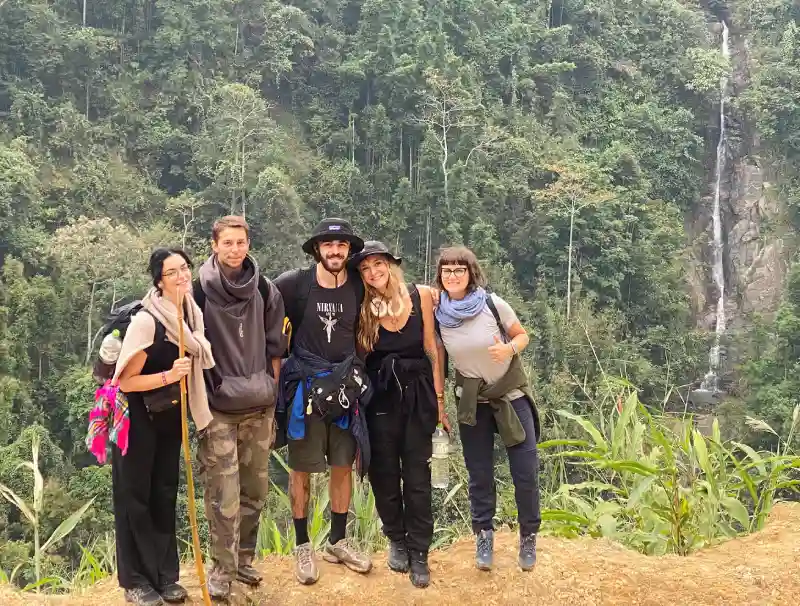
Randonnées privées à Sapa avec des guides Hmong locaux
Explorez des sentiers cachés et la vie authentique des villages à Sapa
Randonner à Sapa comme on doit la marcher
Pour nos guides, ces montagnes ne sont pas une destination — c'est leur maison. Chaque sentier passe devant la maison d'un cousin, le métier à tisser d'une grand-mère, une rizière plantée par un père il y a trente ans.
Nos randonnées sont conçues pour vous ralentir : circuits privés, vrais homestays, déjeuners tranquilles dans les cuisines familiales. Que vous choisissiez une douce balade d'une journée ou une expédition reculée de trois jours, vous découvrirez Sapa à travers les gens qui en font partie.
Ambiance de randonnée
La brume qui se lève sur les rizières à l'aube, des ponts en bambou au-dessus des ruisseaux, et le cliquetis tranquille d'un métier à tisser dans une maison en bois.
Culture locale
Les familles H'mong, Dao, Giay et Tay partagent leur langue, leur cuisine et leurs traditions — non comme un spectacle, mais comme la vie quotidienne dans laquelle vous entrez.
Voyage éthique
Circuits privés, juste rémunération, vrais homestays. Un voyage qui soutient les familles et les sentiers que vous êtes venu voir.
Which trekking tour is right for you?
Six private trekking routes share the same basics — English-speaking local guide, minimum two paying guests, meet at Sapa Stone Church — but they answer different questions about distance, homestay nights, waterfalls, and how far from the main valley loop you want to walk.
Use this hub to narrow the field, then open the product page for day-by-day detail. For a full decision matrix across every route, read our dedicated comparison guide.
Compare all trekking experiences
Summary only — distances and difficulty are honest catalogue facts, not marketing labels. Product pages hold itineraries; this table helps you choose direction before you click through.
| Trek | Duration | Distance | Difficulty | Villages | Homestay | Waterfall |
|---|---|---|---|---|---|---|
| Easy Muong Hoa Valley Trek | 1 day | 10–12 km | Moderate | Y Linh Ho, Lao Chai, Ta Van | None — same-day return | No — stops at Ta Van |
| Full-Day Muong Hoa Valley Trek | 1 day | 14–16 km | Moderate | Lao Chai, Ta Van, Giang Ta Chai | None — same-day return | Yes — Giang Ta Chai |
| 2-Day Trek & Local Homestay | 2 days / 1 night | 22–25 km | Moderate | Muong Hoa day 1; Giang Ta Chai & Su Pan day 2 | 1 night — Giay family in Ta Van | Forest trails day 2 |
| Hidden Villages Homestay Trek | 2 days / 1 night | 20–24 km | Moderate | Off-loop Hmong hamlets — avoids Lao Chai–Ta Van loop | 1 night — remote Black Hmong home | Stream picnic — not Giang Ta Chai loop |
| 3-Day Sapa Valley & Village Trek | 3 days / 2 nights | 32–38 km | Moderate | Lao Chai, Ta Van, Giang Ta Chai, Ban Ho, Nam Toong, Thanh Phu | 2 nights — Giay then Tay riverside | Giang Ta Chai on day 2 |
| Remote Sapa Trekking Expedition | 3 days / 2 nights | 38–44 km | Challenging | Sin Chai ridges, remote Red Dao hamlet | 2 nights — Hmong then Red Dao; herbal bath | Ridge country — not waterfall-focused |
Who should choose each trek?
Six products, six different traveller questions. Match calendar days and fitness to the route — not the shortest name on the list.
Easy Muong Hoa Valley Trek
First visit, one walking day, normal fitness. Shortest full-day distance through the core valley corridor — restaurant lunch, private car from Ta Van. Best default when you are not sure you want Giang Ta Chai or a homestay night.
Full-Day Muong Hoa Valley Trek
One day but you want Red Dao forest country and Giang Ta Chai waterfall. Roughly 30–40% more walking than Easy Trek — family lunch in Ta Van, car from Giang Ta Chai. Strong for active teens and photographers who need waterfall light in one day.
2-Day Trek & Local Homestay
Two walking days on the calendar and your first overnight in the valley. Day one Muong Hoa; day two Giang Ta Chai and Su Pan; Giay homestay between. Book only when two trek days are real — not a weekend with one depleted afternoon.
Hidden Villages Homestay Trek
Return visitors who already walked the popular Lao Chai–Ta Van loop, or anyone who prioritises quiet hamlets over postcard terrace density. Similar effort to the standard 2-Day trek but deliberately off the main corridor.
3-Day Sapa Valley & Village Trek
Three walking days and the widest ethnic sample — Hmong, Red Dao, and Tay homestays across Muong Hoa and lower Ban Ho country. Moderate difficulty spread across three days; cumulative fatigue matters more than any single climb.
Remote Sapa Trekking Expedition
Only catalogue route rated Challenging — 6–8 hours walking per day, high ridges near Sin Chai, remote Red Dao homestay and herbal bath. Prior multi-day trekking helps. Not recommended for young children or travellers who want terrace icons without long climbs.
Typical first-time visitor recommendations
- One walking day after sleeping in Sapa: Easy Muong Hoa Valley Trek — classic Y Linh Ho, Lao Chai, and Ta Van without the longest distance.
- One walking day and you want a waterfall: Full-Day Muong Hoa Valley Trek — adds Giang Ta Chai and a family lunch in Ta Van.
- Two real walking days and your first valley night: 2-Day Trek & Local Homestay — only when the calendar actually holds two trek days.
- Three walking days and cultural breadth: 3-Day Sapa Valley & Village Trek — three ethnic groups, two homestay nights.
- Already walked Muong Hoa once: Hidden Villages Homestay Trek — quieter Hmong hamlets, not the same loop again.
- Experienced hiker seeking the hardest catalogue route: Remote Sapa Trekking Expedition — ridge days, not terrace sightseeing.
Trek difficulty explained honestly
Every catalogue trek except Remote is rated Moderate — a full day or multi-day walking on village trails, mud in wet season, and real distance even when the product name says "Easy." The Easy Trek is the most accessible first route, not a town stroll.
Remote is Challenging — longer days, more elevation gain, and ridge sections above 1,700 m. Guides adjust pace within safety limits but cannot remove kilometres on Full-Day or Remote routes.
Read our Sapa Trekking Safety guide before you assume “moderate” means short.
Trekking with children
School-age children with trail experience can handle Easy Trek on a dry day if the family walks regularly. Full-Day adds distance and forest sections that tire younger legs. Standard homestay treks use shared platforms and village bathrooms — workable for prepared families, not ideal for toddlers who need hotel facilities.
Remote Expedition and long 3-Day cumulative loads are poor fits for young children. For softer village nights without two trek days, see our family tours guide — it points to homestay products outside the trekking catalogue when that fits better.
See Sapa Family Tours for homestay options outside the trekking catalogue.
Trekking in different seasons
March–May and September–November offer the clearest skies and most comfortable temperatures for choosing any route. June–August brings green terraces and afternoon rain — mud matters more on Full-Day, 2-Day, and Remote forest sections. December–February can be cold and misty; terrace views may disappear by midday even on Easy Trek.
Golden rice harvest light peaks late September on terrace routes. Remote ridge days need clearer weather windows — if your dates are fixed in peak mist months, prioritise valley routes or build a buffer day using our itinerary guides.
Plan pacing with 2 Days in Sapa or 3 Days in Sapa.
Plan before you book
These editorial guides go deeper on route choice, pacing, safety, and family fit — without repeating product itineraries.
Choisissez votre randonnée
D'une balade tranquille d'une journée à une expédition reculée de trois jours — chaque trek est mené par des guides locaux des montagnes de Sapa.
Randonnées d'une journée
Parfaites pour les débutants et les familles — promenades douces à travers les rizières en terrasses et les villages ethniques.
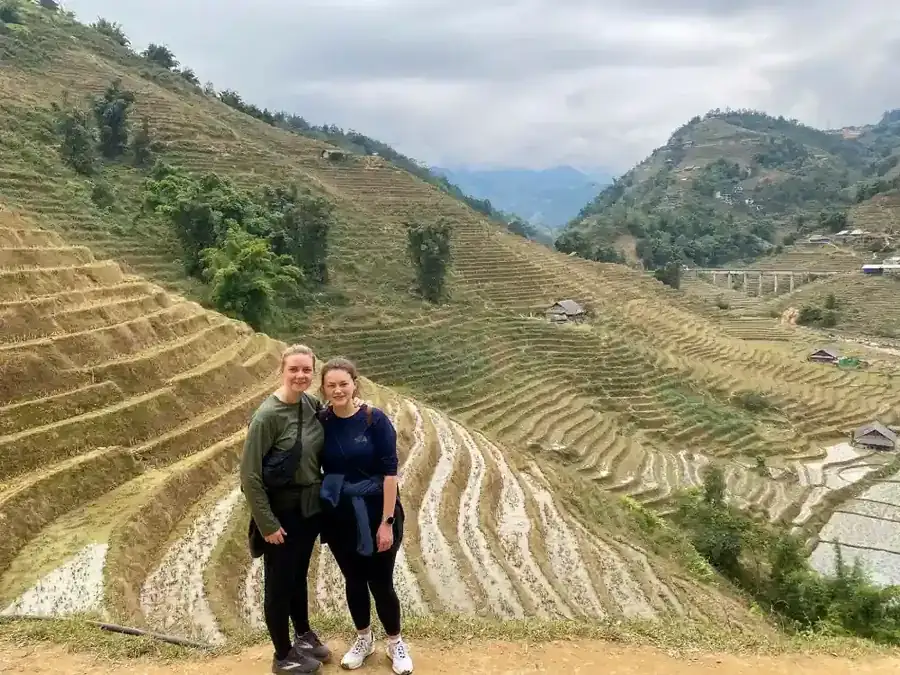
Trek Facile dans la Vallée de Muong Hoa
Un trek privé d'une journée complète (~08:30–16:00) à travers Y Linh Ho, Lao Chai et Ta Van, au cœur de la vallée de Muong Hoa.
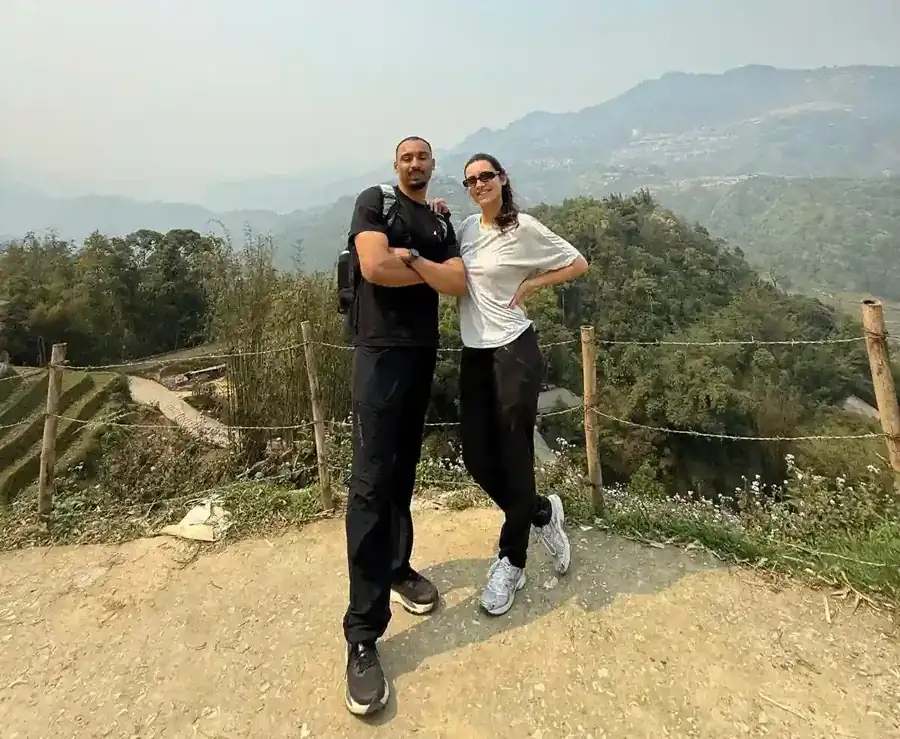
Trek d'une journée dans la Vallée de Muong Hoa
Une journée immersive complète à travers les rizières en terrasses, les passages de rivière et trois villages de montagne.
Randonnées de 2 jours avec homestay
Randonnez dans les vallées le jour et partagez une soirée avec une famille des collines la nuit.
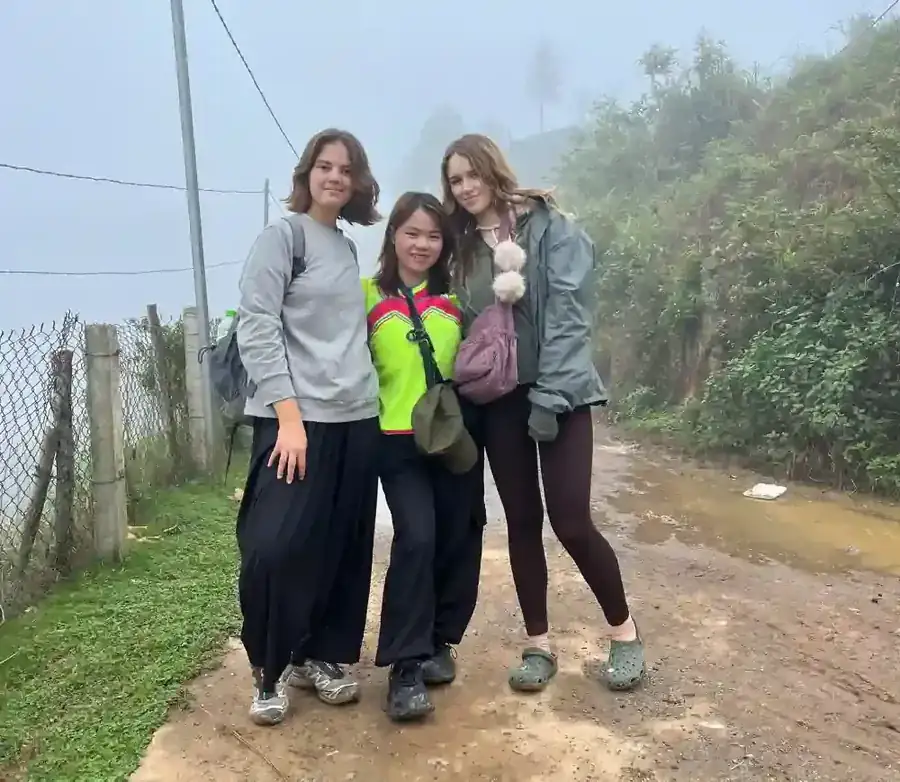
Trek de 2 jours et séjour local chez l'habitant
Trek le jour, soirée tranquille avec une famille locale de montagne la nuit.
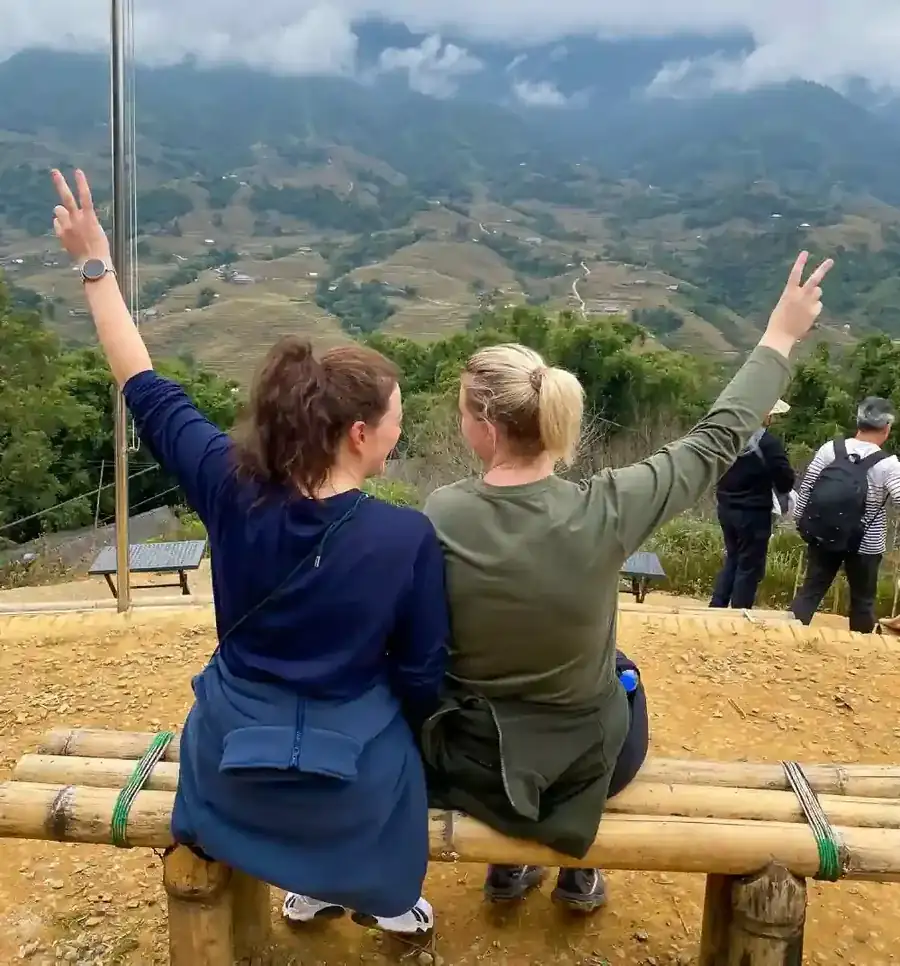
Randonnée dans les villages cachés et séjour chez l'habitant
Sentiers tranquilles, villages rarement visités et séjour chez l'habitant loin de la foule.
Expéditions de 3 jours en montagne
Voyages plus profonds dans des vallées reculées, des cols élevés et la vie authentique des villages loin des foules.
Trek de 3 jours dans la vallée et les villages de Sapa
Trois jours paisibles à travers vallées, crêtes et les foyers de trois groupes ethniques.
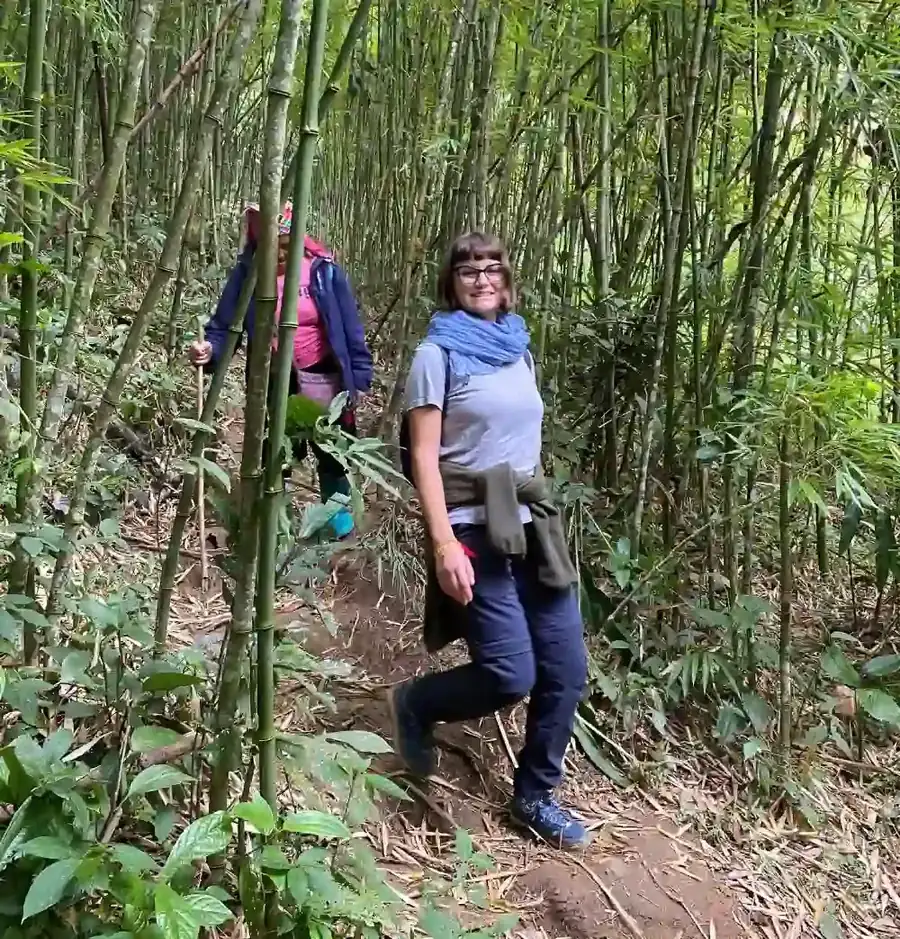
Expédition de trekking isolée à Sapa
Une véritable expédition — hauts cols, séjours chez l'habitant isolés, aucun autre touriste.
Pas sûr du trek qui vous convient ?
Dites-nous vos dates, votre forme et votre style de voyage — nous vous recommanderons le trek qui vous correspond.
Read the full trek comparison guide Écrivez-nous sur WhatsAppRandonnée à Sapa — FAQ
Quelle est la meilleure période pour la randonnée à Sapa ?+
Mars–mai et septembre–novembre offrent les ciels les plus clairs et les températures les plus agréables. Les rizières sont les plus vertes en juin–juillet et dorées fin septembre.
Faut-il une expérience préalable de randonnée ?+
Non. Nous proposons des itinéraires de la balade facile d'une demi-journée aux expéditions de plusieurs jours. Dites-nous votre niveau et nous vous proposerons le bon sentier.
Vos guides sont-ils vraiment locaux ?+
Oui — chaque trek est mené par des guides H'mong, Dao ou Tay qui ont grandi dans ces villages. Ils connaissent les sentiers, les familles et les histoires.
La randonnée responsable et éthique est-elle importante pour vous ?+
Absolument. Nous travaillons directement avec les familles, payons des tarifs justes pour les homestays et la nourriture, et proposons uniquement des circuits privés pour protéger les sentiers et la culture.