À propos de ce trek
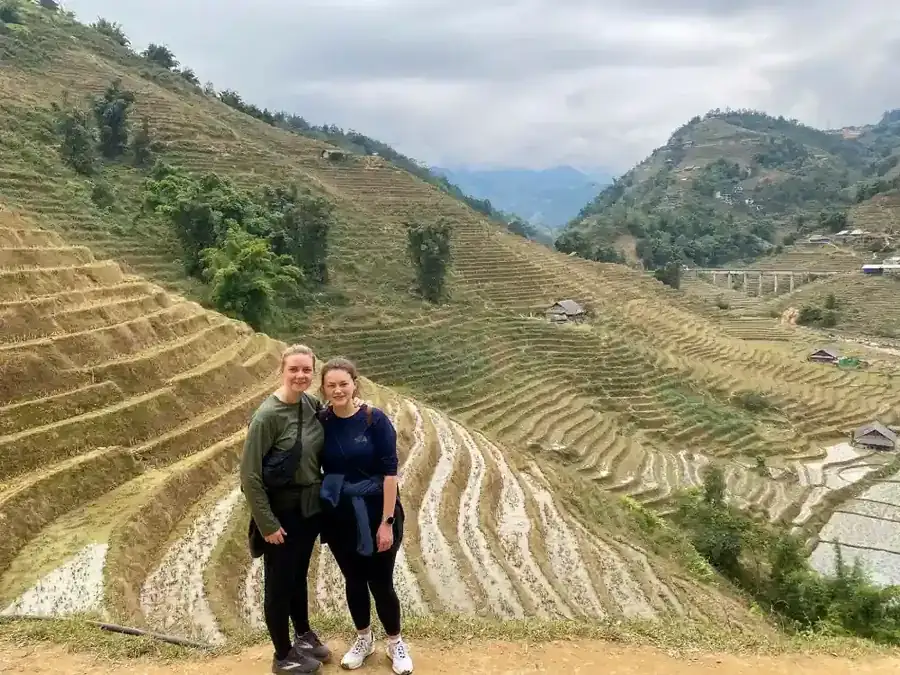
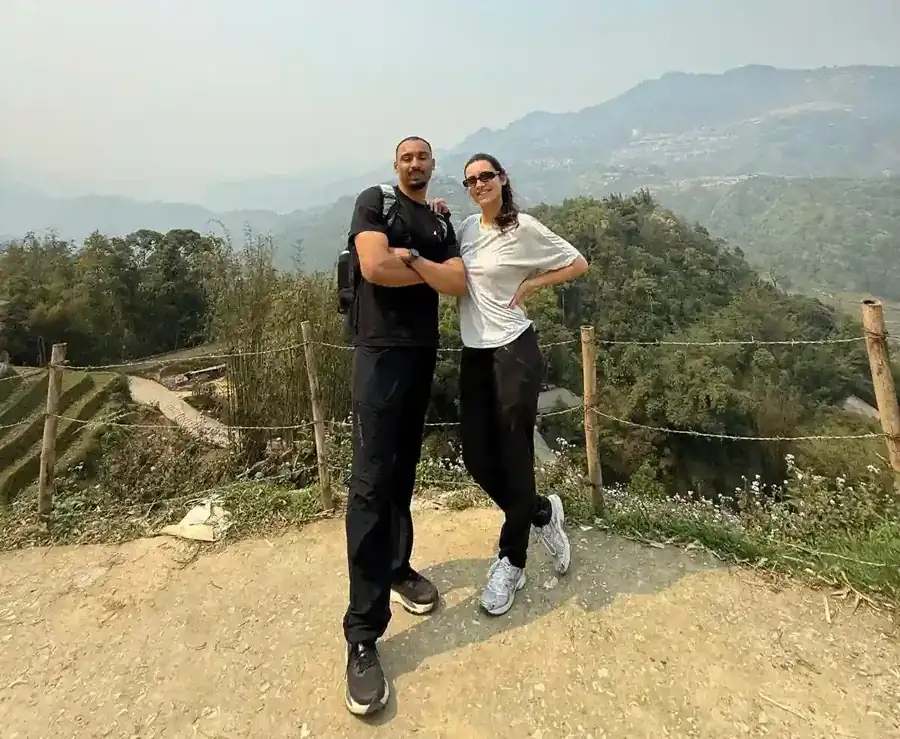
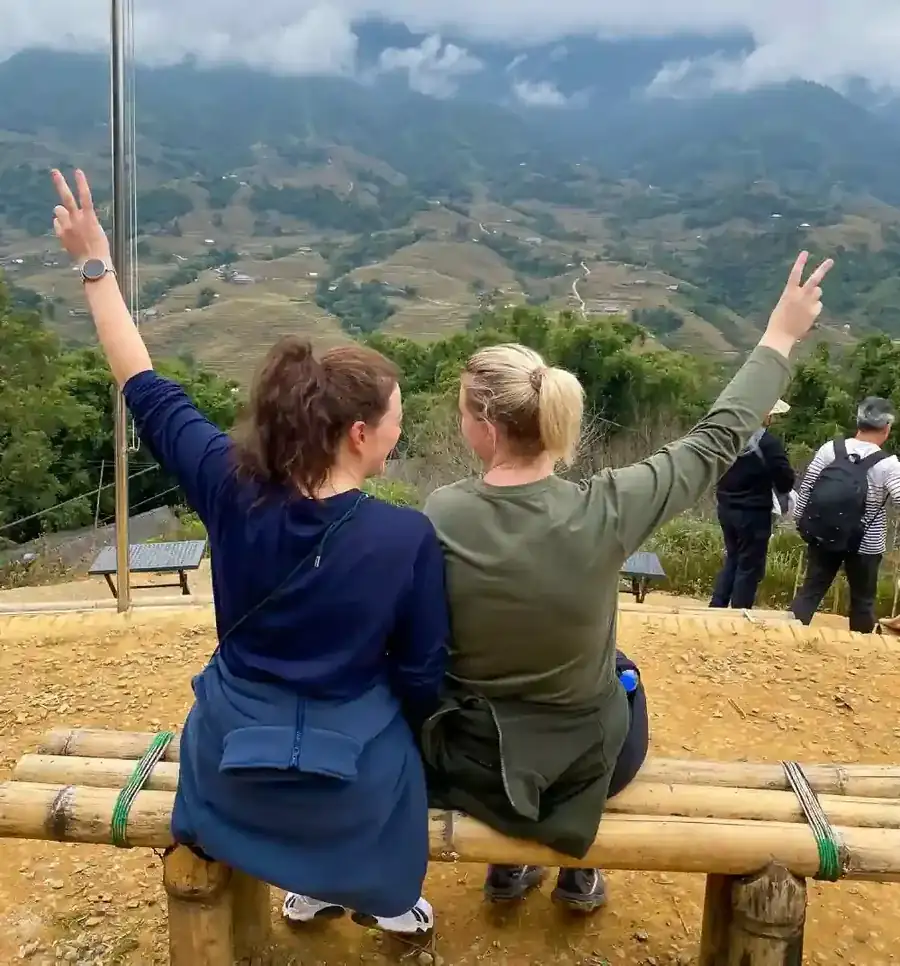
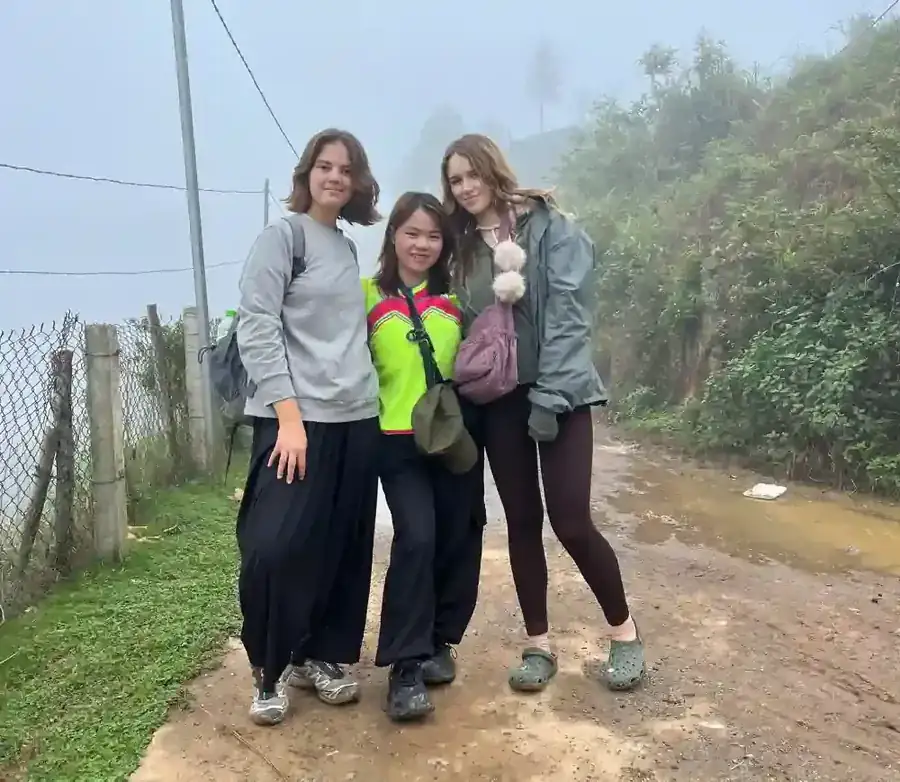
Deux jours tranquilles qui commencent dans les rizières en terrasses et se terminent autour d'un feu de bois dans une maison familiale. C'est le trek dont la plupart des voyageurs nous disent se souvenir pendant des années.
Points forts du trek
Choose this trek if…
- You have two walking days on the ground — usually arrive the evening before Day 1, not a dawn bus pretending to be a trek.
- You want Muong Hoa underfoot on both days with one Giay homestay night between them.
- You accept Moderate distance split across two days (~22–25 km total, ≈650 m gain).
- You want forest and Giang Ta Chai country on Day 2, not a same-day return from Ta Van.
- Your party meets the minimum two paying guests and can handle village meals and homestay simplicity.
Not suitable if…
- You only have one walking day — book Easy Trek and sleep in town.
- Your calendar is two nights in Sapa but only one valley day — that is a hotel itinerary, not this product.
- You want the quietest off-loop hamlets — choose Hidden Villages Homestay Trek instead.
- You need three walking days and two homestay nights — choose the 3-Day Trek.
- You require hotel bathrooms, ensuite privacy, or a soft village night without trekking — consider Family Homestay, not a valley trek homestay.
- Young children, toddlers, or limited mobility need guaranteed hot showers and private rooms every night.
Walking expectations
Published facts: 2 Days / 1 Night, 22–25 km over two days, ≈650 m cumulative gain, graded Moderate. Day 1 crosses Lao Chai and Ta Van in Muong Hoa Valley; Day 2 continues toward Giang Ta Chai and Su Pan on forest and terrace trails.
Distance is split across two mornings — not half of a 3-Day load each day, but still real walking on both days. Guides adjust pace within safety limits; they cannot remove Day 2 kilometres if you are tired after the homestay night.
Two-day calendar clarification
Product name “2-Day” means two walking days and one valley night — not any weekend with two hotel nights in town. A Friday-night bus and Sunday-night return usually gives one walking day, not this trek.
Typical fit: arrive and sleep in Sapa (or nearby) the night before; walk Day 1, homestay in the valley; walk Day 2; car back to town the same afternoon. Do not book this if your only valley time is one depleted afternoon after the sleeper.
Luggage guidance
Carry a daypack for both walking days — rain layer, grip shoes, refillable bottle, cash in small notes, overnight essentials. Leave bulk luggage at your Sapa hotel; the homestay night uses what you carry.
Pack light for the platform night: warm layer, headlamp, flip-flops for shared bathroom use, toiletries. You return to town on Day 2 — you do not need full suitcase capacity in the valley.
Homestay facilities
One night with a Giay family in the valley — shared platform sleeping with mattresses, mosquito nets, and warm blankets as listed on this product. Private rooms may be available on request; ask when you enquire.
This is a working household, not a hotel dressed as local. Expect wood-fire cooking, simple bedding, and village quiet after day trekkers leave the corridor.
Meals
Day 1: home-style lunch in Ta Van, then dinner with the host family at the homestay. Day 2: breakfast with the family, final lunch before the car back to Sapa Town.
Meals are village food — seasonal, filling, not a menu of Western options. Tell us dietary needs when you book; guides can warn hosts in advance.
Bathroom expectations
Village homestays often use a shared or outbuilding bathroom — squat toilet and basic shower are common. Hot water may be limited or bucket-heated.
If ensuite bathrooms and guaranteed private rooms are non-negotiable, book a hotel in town and a one-day trek instead of this product.
Family suitability
Prepared families with school-age children who already walk long days together can manage this trek on dry trails. Platform sleeping and shared facilities are harder for toddlers and for parents who need hotel-level bathrooms.
Families who want a village night without two trek days should compare Family Homestay — a different product with optional short walks, not this valley route.
Compare with other treks
Same private, minimum-two rules as every catalogue trek — different distance, nights, and corridor.
Easy Muong Hoa Valley Trek
One walking day only (10–12 km), no homestay, car from Ta Van same afternoon. Book when you do not have two valley walking days.
Hidden Villages Homestay Trek
Also 2 days / 1 night and Moderate — deliberately avoids the busy Lao Chai–Ta Van loop for quieter Hmong hamlets. Choose when you have already walked the classic corridor.
3-Day Sapa Valley & Village Trek
Three walking days, two homestay nights, wider village cross-section and more cumulative distance (32–38 km). Choose only when three walking days are on the calendar.
Homestay & village hubs
Itinéraire détaillé
Jour 1 · 9:00
Rencontrez votre guide à Sapa et randonnez jusqu'à Lao Chai et Ta Van.
Jour 1 · 13:00
Déjeuner avec une famille locale à Ta Van.
Jour 1 · 16:00
Arrivée au gîte, participez à la préparation du dîner au feu de bois.
Jour 2 · 8:00
Petit-déjeuner et randonnée vers Giang Ta Chai et Su Pan.
Jour 2 · 13:00
Dernier déjeuner et retour à Sapa.
Ce qui est inclus
- Guide local expérimenté parlant anglais
- Droits d'entrée dans les villages ethniques
- Eau en bouteille pendant le trek
- Repas locaux comme indiqué dans l'itinéraire
- 1 nuit chez l'habitant (chambre partagée, literie traditionnelle)
Non inclus
- Dépenses personnelles et pourboires
- Assurance voyage
- Boissons non mentionnées dans l'itinéraire
- Transport vers et depuis Sapa
Recommandations d'emballage
Étiquette culturelle
- Demandez toujours avant de photographier les villageois
- Habillez-vous modestement en entrant dans les maisons
- Enlevez vos chaussures à l'intérieur des maisons traditionnelles
- Achetez directement auprès des artisans pour soutenir les familles
Votre guide local
Guidé par des guides H'mong, Dao ou Tay ayant grandi sur ces sentiers. Chaque guide parle anglais et connaît les familles, les saisons et les chemins tranquilles que la plupart des voyageurs ne trouvent jamais.
Foire aux questions
Quels sont les arrangements pour dormir chez l'habitant ?+
Plate-forme partagée traditionnelle avec matelas, moustiquaires et couvertures chaudes. Des chambres privées sont disponibles sur demande.