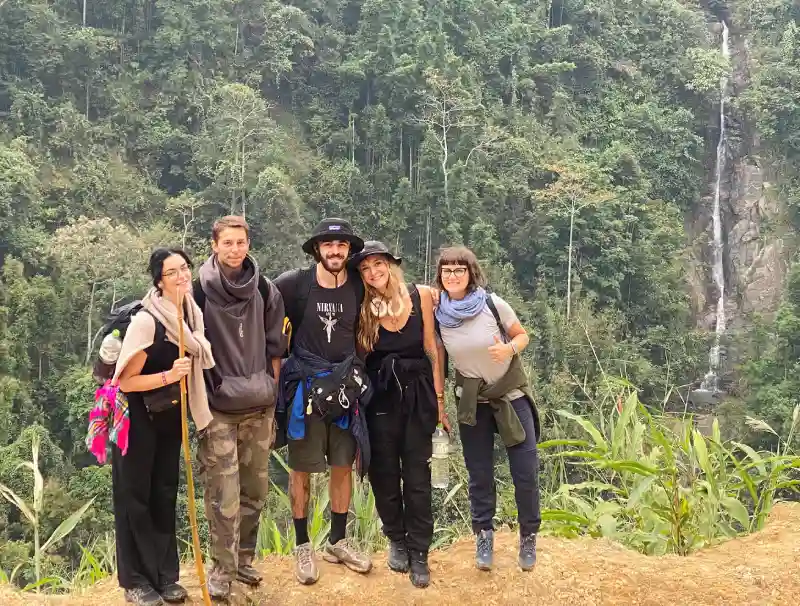
Private Sapa-Trekkingtouren mit lokalen Hmong-Guides
Entdecken Sie verborgene Pfade und das authentische Dorfleben in Sapa
Sapa erwandern, wie es sein soll
Für unsere Guides sind diese Berge kein Reiseziel — sie sind Heimat. Jeder Pfad führt am Haus eines Cousins, am Webstuhl einer Großmutter, an einem Reisfeld vorbei, das vor dreißig Jahren gepflanzt wurde.
Unsere Trekkingtouren sind so gestaltet, dass sie Sie entschleunigen: private Touren, echte Homestays, gemütliche Mittagessen in Familienküchen. Ob sanfte Tageswanderung oder abgelegene Drei-Tages-Expedition — Sie erleben Sapa durch die Menschen, die hier zu Hause sind.
Trekking-Atmosphäre
Nebel, der im Morgengrauen über den Reisterrassen aufsteigt, Bambusbrücken über Bergbäche und das leise Klacken eines Webstuhls aus einem Holzhaus.
Lokale Kultur
H'mong-, Dao-, Giay- und Tay-Familien teilen ihre Sprache, ihr Essen und ihre Traditionen — nicht als Schau, sondern als gelebter Alltag, in den Sie hineingehen.
Ethisches Reisen
Private Touren, faire Bezahlung, echte Homestays. Reisen, das die Familien und die Pfade unterstützt, die Sie sehen wollten.
Which trekking tour is right for you?
Six private trekking routes share the same basics — English-speaking local guide, minimum two paying guests, meet at Sapa Stone Church — but they answer different questions about distance, homestay nights, waterfalls, and how far from the main valley loop you want to walk.
Use this hub to narrow the field, then open the product page for day-by-day detail. For a full decision matrix across every route, read our dedicated comparison guide.
Compare all trekking experiences
Summary only — distances and difficulty are honest catalogue facts, not marketing labels. Product pages hold itineraries; this table helps you choose direction before you click through.
| Trek | Duration | Distance | Difficulty | Villages | Homestay | Waterfall |
|---|---|---|---|---|---|---|
| Easy Muong Hoa Valley Trek | 1 day | 10–12 km | Moderate | Y Linh Ho, Lao Chai, Ta Van | None — same-day return | No — stops at Ta Van |
| Full-Day Muong Hoa Valley Trek | 1 day | 14–16 km | Moderate | Lao Chai, Ta Van, Giang Ta Chai | None — same-day return | Yes — Giang Ta Chai |
| 2-Day Trek & Local Homestay | 2 days / 1 night | 22–25 km | Moderate | Muong Hoa day 1; Giang Ta Chai & Su Pan day 2 | 1 night — Giay family in Ta Van | Forest trails day 2 |
| Hidden Villages Homestay Trek | 2 days / 1 night | 20–24 km | Moderate | Off-loop Hmong hamlets — avoids Lao Chai–Ta Van loop | 1 night — remote Black Hmong home | Stream picnic — not Giang Ta Chai loop |
| 3-Day Sapa Valley & Village Trek | 3 days / 2 nights | 32–38 km | Moderate | Lao Chai, Ta Van, Giang Ta Chai, Ban Ho, Nam Toong, Thanh Phu | 2 nights — Giay then Tay riverside | Giang Ta Chai on day 2 |
| Remote Sapa Trekking Expedition | 3 days / 2 nights | 38–44 km | Challenging | Sin Chai ridges, remote Red Dao hamlet | 2 nights — Hmong then Red Dao; herbal bath | Ridge country — not waterfall-focused |
Who should choose each trek?
Six products, six different traveller questions. Match calendar days and fitness to the route — not the shortest name on the list.
Easy Muong Hoa Valley Trek
First visit, one walking day, normal fitness. Shortest full-day distance through the core valley corridor — restaurant lunch, private car from Ta Van. Best default when you are not sure you want Giang Ta Chai or a homestay night.
Full-Day Muong Hoa Valley Trek
One day but you want Red Dao forest country and Giang Ta Chai waterfall. Roughly 30–40% more walking than Easy Trek — family lunch in Ta Van, car from Giang Ta Chai. Strong for active teens and photographers who need waterfall light in one day.
2-Day Trek & Local Homestay
Two walking days on the calendar and your first overnight in the valley. Day one Muong Hoa; day two Giang Ta Chai and Su Pan; Giay homestay between. Book only when two trek days are real — not a weekend with one depleted afternoon.
Hidden Villages Homestay Trek
Return visitors who already walked the popular Lao Chai–Ta Van loop, or anyone who prioritises quiet hamlets over postcard terrace density. Similar effort to the standard 2-Day trek but deliberately off the main corridor.
3-Day Sapa Valley & Village Trek
Three walking days and the widest ethnic sample — Hmong, Red Dao, and Tay homestays across Muong Hoa and lower Ban Ho country. Moderate difficulty spread across three days; cumulative fatigue matters more than any single climb.
Remote Sapa Trekking Expedition
Only catalogue route rated Challenging — 6–8 hours walking per day, high ridges near Sin Chai, remote Red Dao homestay and herbal bath. Prior multi-day trekking helps. Not recommended for young children or travellers who want terrace icons without long climbs.
Typical first-time visitor recommendations
- One walking day after sleeping in Sapa: Easy Muong Hoa Valley Trek — classic Y Linh Ho, Lao Chai, and Ta Van without the longest distance.
- One walking day and you want a waterfall: Full-Day Muong Hoa Valley Trek — adds Giang Ta Chai and a family lunch in Ta Van.
- Two real walking days and your first valley night: 2-Day Trek & Local Homestay — only when the calendar actually holds two trek days.
- Three walking days and cultural breadth: 3-Day Sapa Valley & Village Trek — three ethnic groups, two homestay nights.
- Already walked Muong Hoa once: Hidden Villages Homestay Trek — quieter Hmong hamlets, not the same loop again.
- Experienced hiker seeking the hardest catalogue route: Remote Sapa Trekking Expedition — ridge days, not terrace sightseeing.
Trek difficulty explained honestly
Every catalogue trek except Remote is rated Moderate — a full day or multi-day walking on village trails, mud in wet season, and real distance even when the product name says "Easy." The Easy Trek is the most accessible first route, not a town stroll.
Remote is Challenging — longer days, more elevation gain, and ridge sections above 1,700 m. Guides adjust pace within safety limits but cannot remove kilometres on Full-Day or Remote routes.
Read our Sapa Trekking Safety guide before you assume “moderate” means short.
Trekking with children
School-age children with trail experience can handle Easy Trek on a dry day if the family walks regularly. Full-Day adds distance and forest sections that tire younger legs. Standard homestay treks use shared platforms and village bathrooms — workable for prepared families, not ideal for toddlers who need hotel facilities.
Remote Expedition and long 3-Day cumulative loads are poor fits for young children. For softer village nights without two trek days, see our family tours guide — it points to homestay products outside the trekking catalogue when that fits better.
See Sapa Family Tours for homestay options outside the trekking catalogue.
Trekking in different seasons
March–May and September–November offer the clearest skies and most comfortable temperatures for choosing any route. June–August brings green terraces and afternoon rain — mud matters more on Full-Day, 2-Day, and Remote forest sections. December–February can be cold and misty; terrace views may disappear by midday even on Easy Trek.
Golden rice harvest light peaks late September on terrace routes. Remote ridge days need clearer weather windows — if your dates are fixed in peak mist months, prioritise valley routes or build a buffer day using our itinerary guides.
Plan pacing with 2 Days in Sapa or 3 Days in Sapa.
Plan before you book
These editorial guides go deeper on route choice, pacing, safety, and family fit — without repeating product itineraries.
Wählen Sie Ihr Trekking-Erlebnis
Von der entspannten Tageswanderung bis zur abgelegenen Drei-Tages-Expedition — jeder Trek wird von lokalen Guides aus den Bergen von Sapa geführt.
Tages-Trekking-Erlebnisse
Perfekt für Einsteiger und Familien — sanfte Wanderungen durch Reisterrassen und ethnische Dörfer.
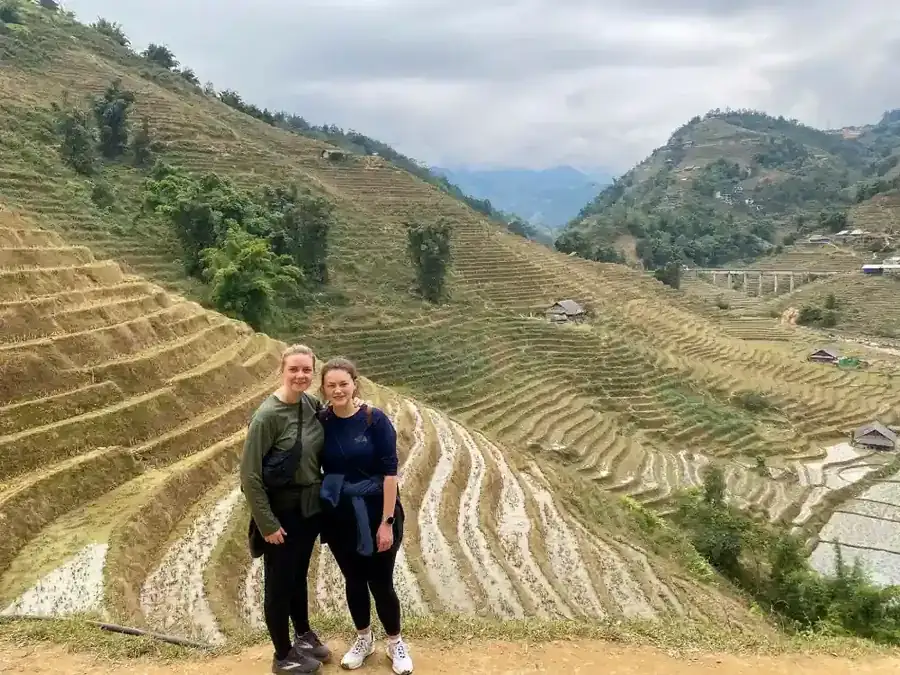
Leichtes Trekking im Muong-Hoa-Tal
Eine private Ganztageswanderung (~08:30–16:00) durch Y Linh Ho, Lao Chai und Ta Van im Herzen des Muong-Hoa-Tals.
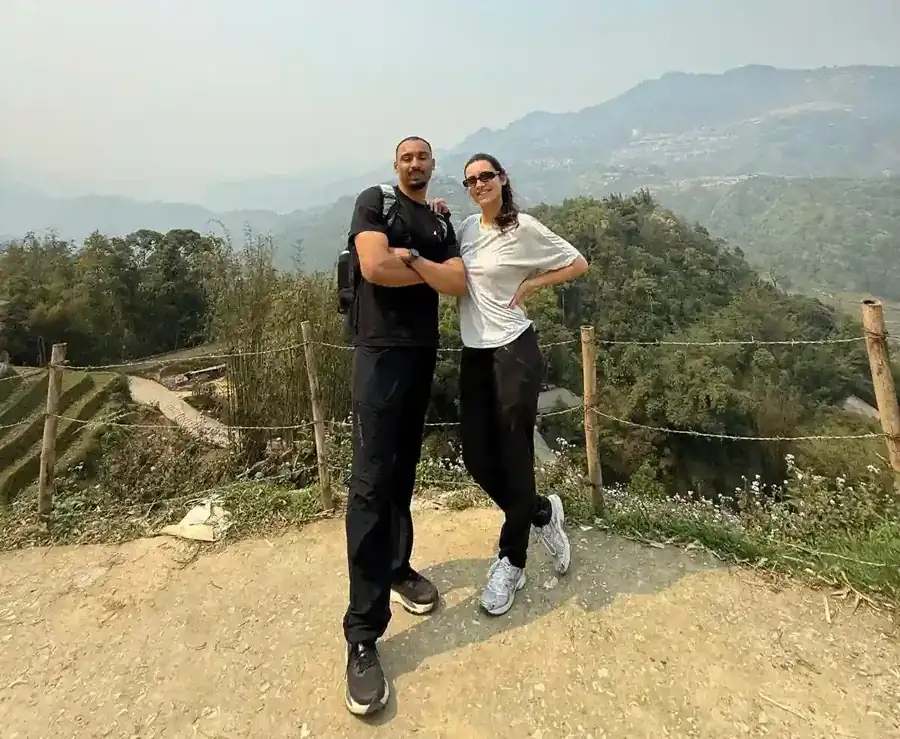
Ganztägiger Trek im Muong Hoa Tal
Ein ganzer Tag voller Immersion durch Reisterrassen, Flussüberquerungen und drei Bergdörfer.
2-Tage-Trekking & Homestay-Erlebnisse
Trek durch Täler am Tag und ein Abend mit einer Bergstamm-Familie in der Nacht.
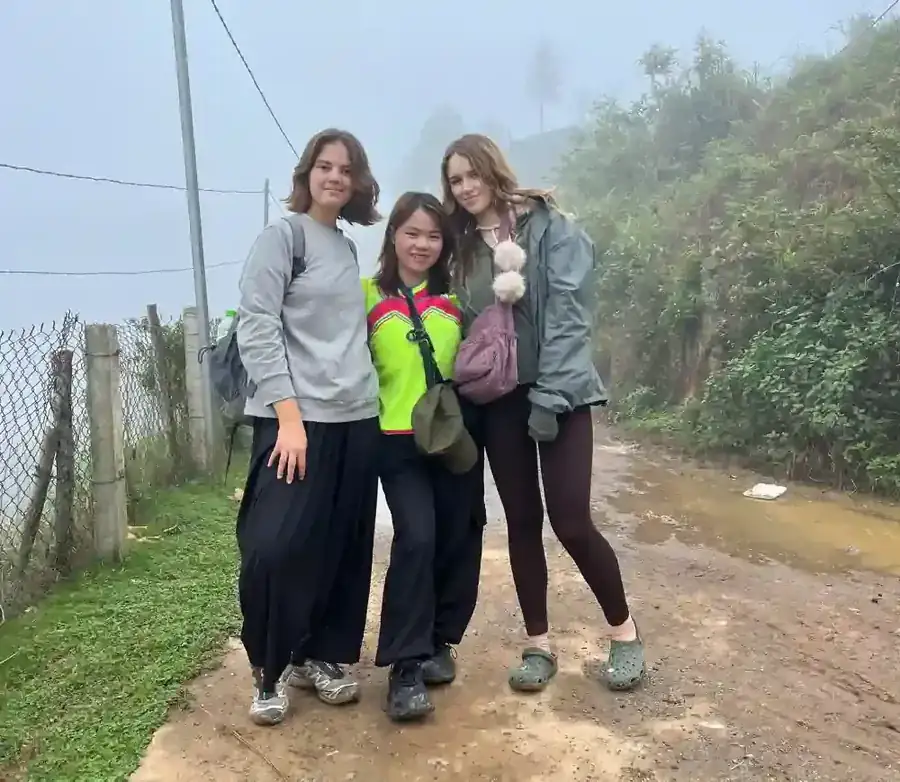
2-Tages-Trek & lokales Gastfamilien-Erlebnis
Tagsüber wandern, abends einen ruhigen Abend mit einer lokalen Bergfamilie verbringen.
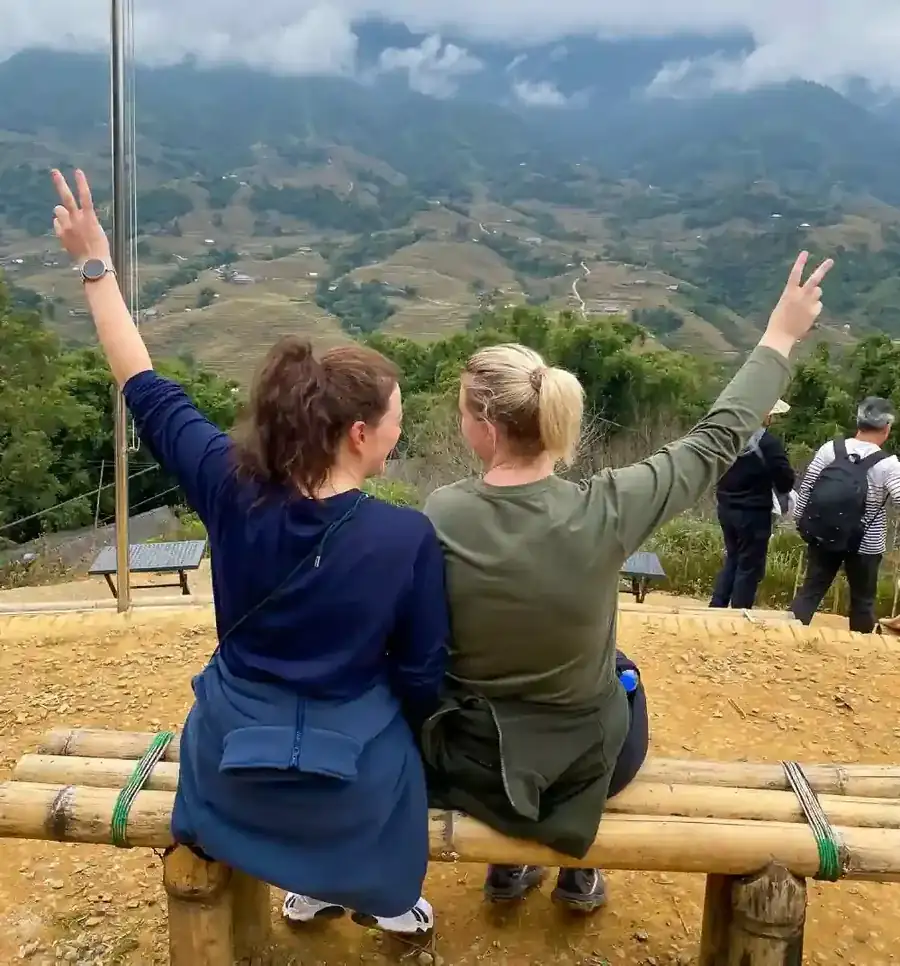
Wanderung durch verborgene Dörfer & Homestay bei Einheimischen
Ruhige Wege, selten besuchte Dörfer und eine Übernachtung fernab der Menschenmassen.
3-Tage-Berg- & Fernexpeditionen
Tiefere Reisen in abgelegene Täler, hohe Pässe und authentisches Dorfleben abseits der Touristenströme.
3-Tages Sapa Tal- & Dorf-Trek
Drei entspannte Tage durch Täler, Bergkämme und die Heime dreier ethnischer Gruppen.
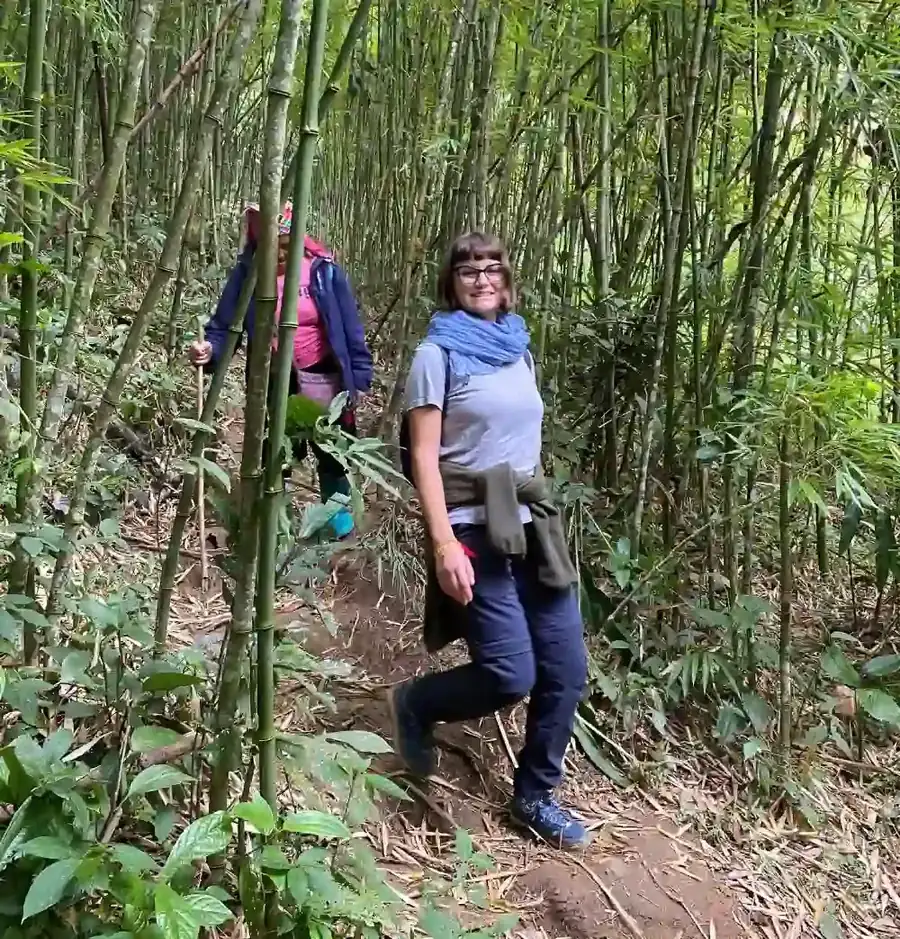
Abgelegene Sapa Trekking Expedition
Eine echte Expedition – hohe Pässe, abgelegene Homestays, keine anderen Touristen.
Unsicher, welcher Trek der richtige ist?
Sagen Sie uns Ihre Daten, Fitness und Ihren Reisestil — wir empfehlen Ihnen den passenden Trek.
Read the full trek comparison guide Schreiben Sie uns auf WhatsAppTrekking in Sapa — FAQ
Wann ist die beste Zeit zum Trekking in Sapa?+
März–Mai und September–November bieten den klarsten Himmel und die angenehmsten Temperaturen. Die Reisterrassen sind im Juni–Juli am grünsten und Ende September golden.
Brauche ich Trekking-Erfahrung?+
Nein. Wir bieten Routen vom einfachen Halbtages-Spaziergang bis zur mehrtägigen Expedition. Sagen Sie uns Ihr Fitnesslevel — wir finden den passenden Pfad.
Sind Ihre Guides wirklich lokal?+
Ja — jeder Trek wird von H'mong-, Dao- oder Tay-Guides geführt, die in diesen Dörfern aufgewachsen sind. Sie kennen die Pfade, die Familien und die Geschichten.
Ist verantwortungsvolles und ethisches Trekking wichtig für Sie?+
Absolut. Wir arbeiten direkt mit Familien, zahlen faire Preise für Homestays und Essen und bieten ausschließlich private Touren an, um Pfade und Kultur zu schützen.